
Damon Braces vs Traditional Braces: The Key Differences Explained
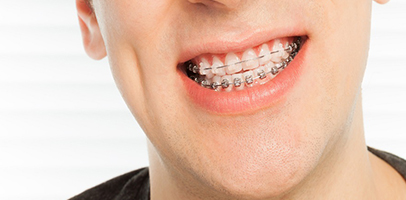
If you're weighing up Damon braces against traditional braces, you're not alone. It's one of the most common questions we get at our Blacktown and Dubbo clinics. Both systems straighten teeth effectively, but they work differently, feel different, and can produce different timelines.
Here's a straight comparison based on what we see every day in practice.
How They Move Teeth
The core difference is in the bracket design.
Traditional braces use small elastic bands (ligatures) to hold the archwire into each bracket. These elastics create friction, which means the wire needs more force to slide through and move the teeth. That friction also means more pressure on the teeth and more discomfort after adjustments.
Damon braces are self-ligating. Instead of elastic bands, they have a small built-in slide mechanism that holds the wire in place. Less friction means the wire can move more freely, so teeth shift with gentler, more consistent pressure. The result: fewer visits, less discomfort, and often shorter treatment times.
Comfort
All braces involve some discomfort, especially in the first few days after an adjustment. That said, clinical data shows patients report around 60% less discomfort with Damon braces compared to traditional braces. The main reason: no tight elastics pressing against the gums and cheeks.
If you have a low pain tolerance or you're particularly sensitive to pressure, Damon is worth discussing with your orthodontist.
Treatment Time
Damon braces can reduce treatment time by several months. Studies show an average reduction of around 7 months compared to traditional braces, though this varies by case. The self-ligating system allows for more efficient tooth movement, which means fewer adjustment appointments and faster progress.
For a typical case, traditional braces might take 18-24 months. Damon braces often finish in 12-18 months. Your orthodontist can give you a more accurate estimate after assessing your specific situation.
Crowding and Extractions
This is where the two systems differ in a few key ways.
With traditional braces, moderate to severe crowding often requires tooth extractions to create space. Some patients also need palatal expanders.
Damon braces take a different approach. The lighter, continuous forces can often align teeth without extractions. The system's design allows for broader arch expansion, which creates natural space. For patients who want to avoid extractions, this is a major advantage.
Appearance
Traditional braces are visible. The metal brackets and coloured elastics are noticeable, though ceramic (tooth-coloured) brackets are available for a more discreet look.
Damon braces come in two versions: Damon Metal (silver brackets) and Damon Clear (ceramic brackets). Damon Clear is far less visible than traditional metal braces, though not as invisible as Invisalign® aligners.
One thing to note: Damon braces don't use coloured bands, so you miss out on that fun customisation. If changing your brace colours at each appointment matters to you, traditional braces give you that option.
Cost
Damon braces typically cost slightly more than traditional metal braces. At Evolution Orthodontics, we offer interest-free payment plans starting from around $10 per day. The exact cost depends on your case complexity, treatment duration, and whether you choose metal or ceramic brackets.
During your free consultation, we'll give you a detailed quote for both options so you can compare directly.
Damon Braces vs Invisalign®
Some patients ask whether Damon braces are a middle ground between traditional braces and Invisalign®. In some ways, yes. They're more comfortable than traditional braces and less visible (especially Damon Clear), but they're still fixed appliances -- you can't remove them to eat or brush.
If removability and invisibility are your top priorities, Invisalign® is still the better choice. If you want faster treatment than Invisalign® can offer for your case, or if your orthodontist recommends fixed braces for clinical reasons, Damon is an excellent option.
Which Is Right for You?
The honest answer: it depends on your teeth, your lifestyle, and your priorities. Both systems are proven and effective. The best way to decide is to have a specialist orthodontist assess your bite, crowding, and alignment, then walk you through the options.
Want to find out if Damon braces are right for you? Book a free consultation at our Blacktown or Dubbo practice.


